
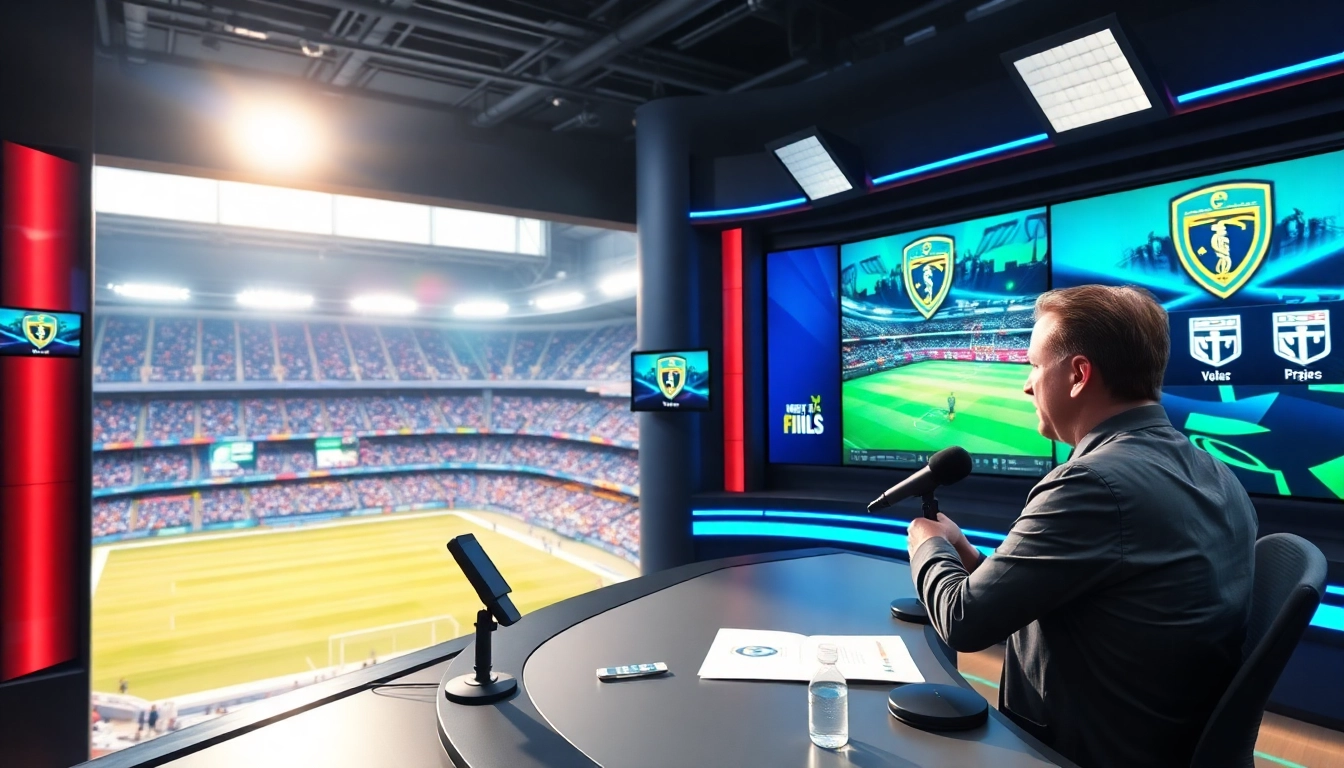
The Essentials of Sports Broadcasting
Understanding Sports Broadcasting
Sports broadcasting is the process of transmitting live or recorded professional sporting events to audiences via television, radio, or internet platforms. It plays a crucial role in connecting fans worldwide with their favorite sports, providing them with real-time engagement and entertainment.
The evolution of this field has been remarkable, especially in recent years, driven by advancements in technology and shifts in audience preferences. The diverse methods of delivery, ranging from traditional television broadcasts to modern streaming platforms, cater to varying consumer choices, ensuring that sports broadcasting remains a vital part of the entertainment landscape. As a result, learning about Sports Broadcasting involves understanding its various components, stakeholders, and technological advancements.
Key Players in Sports Broadcasting
The sports broadcasting ecosystem is composed of various key players, each fulfilling unique roles that contribute to the overall effectiveness of sports coverage. Major networks, such as national and regional television stations, have formed strategic partnerships with sports leagues to acquire broadcast rights. They play a pivotal role in delivering content and reaching vast audiences through established channels.
In addition to traditional broadcasters, digital platforms and streaming services, such as OTT (over-the-top) providers, have gained a significant foothold in recent years. These platforms often provide subscription models which allow viewers to access content without the need for a cable subscription, catering to a tech-savvy audience eager for flexibility and convenience.
Furthermore, sports leagues and teams are also major players in this arena. They not only produce content, but also engage directly with fans through social media platforms, enhancing their broadcasting efforts and creating a multi-faceted experience for fans.
Technology's Role in Sports Broadcasting
Technology has revolutionized sports broadcasting in several ways, enhancing the viewer experience and engagement. High-definition (HD) and 4K imaging have made broadcasts more immersive, while drone technology is increasingly being used for unique camera angles that capture the action from previously unthinkable perspectives.
Additionally, innovation in graphics and replays has provided commentators and viewers with contextual information that enhances understanding and enjoyment of the game. Features like player stats, game analysis, and strategic overlays are commonplace in top-tier broadcasts. The incorporation of augmented reality (AR) and virtual reality (VR) is paving the way for next-level viewer engagement, allowing fans to experience the excitement of the game from their own homes.
Best Practices for Effective Sports Broadcasting
Audience Engagement Strategies
Effective audience engagement is essential for successful sports broadcasting, ensuring that fans remain invested in the content being delivered. One of the best strategies is the use of interactive elements within broadcasts, such as polls and real-time statistics that invite viewers to participate and engage with the content actively.
Additionally, creating a narrative around the sporting event can help build emotional connection. Commentators need to provide context, dive into personal stories of athletes, and explore rivalries to create a more compelling viewing experience. Engaging with the audience through social media, responding to their comments, and creating shareable content are also critical components that strengthen the connection between the broadcaster and the audience.
Content Creation and Delivery
Quality content production is paramount in sports broadcasting. Providing insightful analysis, entertaining commentary, and visually appealing graphics leads to a memorable experience for viewers. Broadcasters should curate highlight reels and key moments, ensuring that they align with audience interests while maintaining the excitement of live broadcasts.
The timing and delivery of content are also crucial. Effective scheduling of events, alongside strategic marketing to build anticipation, allows broadcasters to maximize viewership. Streamlining the broadcasting process through automation and real-time monitoring ensures high-quality transmission, addressing potential technical issues proactively.
Leveraging Social Media for Sports Broadcasting
Social media is an integral aspect of modern sports broadcasting, offering platforms for direct interaction with fans. By utilizing channels like Twitter, Facebook, and Instagram, broadcasters can share behind-the-scenes content, conduct live Q&A sessions, and post updates on game highlights. These platforms can be leveraged to create promotional campaigns around major events, increasing audience reach and engagement.
Moreover, encouraging fan-generated content can build a sense of community, making audiences feel included in the sports experience. Tailoring content specifically for social media consumption, such as short clips or memes, can further solidify the broadcaster’s relevance and relatability.
Emerging Trends in Sports Broadcasting
The Impact of Streaming Services on Sports Broadcasting
The rise of streaming services has disrupted traditional sports broadcasting paradigms. Audiences are increasingly drawn to on-demand content, leading to a surge in platforms that cater exclusively to sports programming. These services often offer exclusive rights to specific leagues or events which attracts niche audiences looking for dedicated content. Examples of this include dedicated apps or platforms that feature live sports, extensive analyses, and past game highlights—all vital for enhancing fan engagement.
Additionally, streaming allows for unique business models such as pay-per-view events or subscription-based access. This flexibility opens new revenue streams for leagues and broadcasters while providing viewers with varied choices about how and when they consume their favorite sports.
Augmented Reality in Sports Broadcasting
Augmented reality technology is beginning to permeate sports broadcasting, offering new opportunities to enhance the viewer experience. By superimposing graphics onto live-action footage, broadcasters can provide viewers with a wealth of immersive data. These features can include displaying player stats, game strategies, or even live betting odds directly within the viewing frame.
This technology not only offers real-time analytics but also helps in engaging younger audiences who gravitate towards cutting-edge experiences. By blending entertainment with informative elements, AR has the potential to redefine how fans interact with their favorite sports.
Data Analytics in Sports Broadcasting
Data analytics is increasingly playing a crucial role in sports broadcasting, providing insights that can enhance storytelling and improve viewer engagement. By leveraging data, broadcasters can analyze player performances, uncover trends, and generate predictive models about game outcomes, which can be shared with audiences in real-time.
Moreover, effective use of data can lead to tailored content that meets audience preferences. Personalized highlights based on viewer interests and previous engagements can create a more relevant and inclusive viewer experience, further strengthening the connection between fans and the content they love.
Challenges Facing Today’s Sports Broadcasting
Dealing with Fragmented Audiences
As viewing habits diversify, broadcasters face the challenge of fragmented audiences. Today's fans consume content on a plethora of platforms that range from televisions and radios to mobile devices and social media. This fragmentation requires innovative strategies for engagement and outreach, as content needs to be distributed across various platforms to reach viewers effectively.
To combat this challenge, broadcasters must analyze viewership data and understand where their audience is congregating. Creating targeted marketing campaigns that cater to the specific platform and demographic can ensure content remains relevant and engaging.
Regulatory Challenges in Sports Broadcasting
Regulatory issues pose significant challenges to sports broadcasting. Companies must navigate complex legal landscapes, including broadcasting rights, content licensing, and international broadcasting rules. These regulations can vary widely by region or country, making compliance difficult for global broadcasters.
Broadcasters need to remain adaptable, often working closely with legal experts to ensure that they can comply with all local laws while maximizing audience reach. Implementing transparent policies and obtaining necessary permissions aids in mitigating potential legal hurdles.
Combatting Piracy in Sports Broadcasting
Piracy remains a serious threat to the integrity and profitability of sports broadcasting. Unauthorized streaming of sports events can lead to substantial revenue losses and undermine exclusive broadcasting rights. Broadcasters need to employ advanced technology to identify and eliminate illegal streams, using software that can detect piracy in real-time.
In addition, educating consumers on the value of legitimate broadcasting services and the repercussions of piracy can enhance public awareness and deter illegal activity. Collaboration with law enforcement and industry partners also plays a vital role in combatting piracy effectively.
Future Opportunities in Sports Broadcasting
Innovations on the Horizon
The future of sports broadcasting holds promising innovations that are set to transform viewer experiences. The integration of artificial intelligence (AI) for predictive analysis, personalized content deliveries, and automated production systems enhances the efficiency of broadcasts significantly. Innovations in drone technology for aerial shots and sophisticated camera technologies will continue to evolve, offering fans unparalleled viewing experiences.
As these technologies advance, broadcasters must stay ahead of the curve, continually experimenting with new mediums and approaches to keep fans engaged and entertained.
Personalization in Sports Broadcasting
Personalization is expected to be a critical driver of future sports broadcasting. By utilizing user data and engagement patterns, broadcasters can curate experiences tailored to individual preferences. This could include customized notifications, tailored highlight reels, or unique interactive viewing experiences that resonate with specific audience segments.
Engagement strategies that leverage machine learning algorithms to predict viewer interests and develop content that aligns with those preferences can foster a deeper connection between fans and broadcasters, leading to increased loyalty and viewership.
Global Expansion of Sports Broadcasting
As technological advancements break down geographical barriers, the potential for global expansion in sports broadcasting is immense. Broadcasters can reach new audiences in emerging markets through digital platforms, providing access to sports events that might previously have been unavailable. This expansion also presents opportunities for international collaborations and partnerships between leagues and broadcasters, creating new revenue sources.
By adapting their content strategy to multicultural audiences and understanding regional preferences, sports broadcasters can capitalize on these opportunities, ensuring relevance across diverse demographics.
FAQs
1. What is sports broadcasting?
Sports broadcasting involves the transmission of live or recorded sports events to audiences via radio, television, or internet platforms.
2. How has technology influenced sports broadcasting?
Technology, including streaming services and social media, has greatly enhanced audience engagement and accessibility in sports broadcasting.
3. Why is audience engagement important in sports broadcasting?
Engaged audiences result in higher ratings, more interaction, and increased revenue through advertisements and subscriptions.
4. What are current trends in sports broadcasting?
Emerging trends include streaming services, augmented reality features, and a focus on data analytics to improve viewer experiences.
5. What challenges do broadcasters face today?
Challenges include managing viewer fragmentation, navigating regulatory issues, and addressing content piracy threats.